
7 Ways to Increase IVF Success for Women Over 40

More than 35 percent of American women over 40 face diminished ovarian reserve when trying to conceive. For those searching beyond traditional treatment boundaries, advanced IVF options at specialized clinics such as those found in the Bahamas bring new hope. Discover how targeted therapies, the latest reproductive technologies, and personalized approaches can increase your chances for successful pregnancy well into your forties.
Table of Contents
Quick Summary
Key Insight | Clarification |
1. Choose advanced fertility clinics | Select clinics specializing in reproductive technologies for women over 40 to enhance IVF success rates. |
2. Optimize lifestyle for egg quality | Improve egg quality through a nutrient-rich diet, exercise, stress management, and avoiding toxins. |
3. Explore mitochondrial replacement therapy | This innovative therapy may enhance egg quality and IVF outcomes by addressing cellular energy issues. |
4. Personalize treatment with hormone protocols | Customized medication and hormone protocols tailored to individual needs can improve IVF success. |
5. Manage stress for better fertility | Effective stress management strategies can enhance emotional well-being and potentially increase IVF success rates. |
1. Choose a Clinic With Advanced Fertility Treatments
Selecting the right fertility clinic can dramatically increase your chances of successful IVF treatment after 40. Not all clinics are equipped to handle the complex reproductive challenges that women in this age group experience.
When searching for an advanced fertility center, focus on clinics that specialize in cutting edge reproductive technologies tailored specifically for older patients. These clinics understand the nuanced biological changes that occur during perimenopause and menopause transition, and offer specialized protocols to maximize potential pregnancy outcomes.
Look for clinics with robust capabilities in advanced reproductive technologies including preimplantation genetic testing, comprehensive hormone assessments, and customized treatment protocols. European fertility centers like Quirónsalud Hospital Group have demonstrated exceptional expertise in managing fertility treatments for women over 40.
Key indicators of an advanced clinic include:
Specialized protocols for older patients
Advanced genetic screening techniques
Comprehensive hormonal evaluation processes
High success rates specifically for women aged 40 and above
Personalized treatment approaches
Research potential clinics thoroughly by examining their published success rates, patient testimonials, and specific experience treating women in your age demographic. Consultation meetings can provide deeper insights into their technological capabilities and treatment philosophies.
Pro tip: Request detailed statistical breakdowns of pregnancy success rates for women in your specific age range before committing to any fertility treatment program.
2. Optimize Egg Quality With Lifestyle Changes
Women over 40 seeking successful IVF treatments must recognize that egg quality plays a critical role in achieving pregnancy. Your lifestyle choices can significantly influence reproductive potential and improve your chances of conception.
Advanced scientific research suggests that targeted interventions can potentially enhance egg quality. Scientists have discovered techniques to potentially rejuvenate human eggs by supplementing key proteins, which could reduce age related genetic defects and improve overall reproductive outcomes.
Key lifestyle modifications to optimize egg quality include:
Maintaining a nutrient dense diet rich in antioxidants
Engaging in moderate regular exercise
Managing stress through mindfulness practices
Eliminating toxic habits like smoking and excessive alcohol consumption
Prioritizing consistent sleep patterns
Minimizing exposure to environmental toxins
Nutritional strategies are particularly important. Focus on consuming foods high in CoQ10, omega 3 fatty acids, and vitamin D. These nutrients support mitochondrial function and cellular health, which directly impact egg quality and reproductive potential.
Stress management also plays a crucial role. Chronic stress can negatively impact hormonal balance and reproductive function. Incorporate practices like yoga, meditation, and regular relaxation techniques to support your reproductive health.
Pro tip: Consider working with a nutritionist specializing in fertility to develop a personalized dietary plan that specifically targets egg quality and supports your reproductive goals.
3. Consider Mitochondrial Replacement Therapy (MRT)
Women over 40 facing fertility challenges now have an innovative solution that addresses age related reproductive limitations. Mitochondrial replacement therapy represents a groundbreaking approach to potentially improving egg quality and increasing IVF success rates.
Mitochondrial replacement techniques offer a promising strategy for resolving mitochondrial dysfunction that contributes to ovarian aging and female infertility. These advanced therapies involve transferring healthy mitochondria to enhance egg and embryo quality, providing new hope for women struggling with age related reproductive challenges.
Key aspects of mitochondrial replacement therapy include:
Addressing cellular energy production limitations
Improving overall egg quality
Potentially reducing genetic risks associated with older eggs
Offering an alternative for women with diminished ovarian reserve
Utilizing advanced reproductive technologies
Two primary approaches exist for mitochondrial replacement:
Heterologous approach: Using donor mitochondria from younger eggs
Autologous approach: Utilizing patient derived mitochondrial material
While the therapy shows significant promise, it is crucial to understand that clinical implementation remains in developmental stages. Ongoing research continues to evaluate the long term safety and effectiveness of these advanced reproductive interventions.
Patients interested in mitochondrial replacement therapy should consult with fertility specialists who have expertise in cutting edge reproductive technologies. A comprehensive evaluation will help determine whether this innovative approach aligns with your specific reproductive goals and medical history.
Pro tip: Request comprehensive genetic screening and consult multiple reproductive specialists to gain a holistic understanding of how mitochondrial replacement therapy might specifically benefit your fertility journey.
4. Improve Ovarian Function Using Stem Cell Therapy
Women over 40 confronting fertility challenges now have an innovative potential solution through advanced stem cell therapies. This groundbreaking approach offers hope for restoring ovarian function and improving reproductive potential.
Mesenchymal stem cell therapy represents a cutting edge strategy for addressing female infertility, particularly for women experiencing diminished ovarian reserve. These specialized cells can potentially regenerate ovarian tissue and support follicular development through complex cellular mechanisms.
Key benefits of stem cell therapy for ovarian function include:
Potential restoration of hormone production
Support for follicular development
Addressing age related reproductive challenges
Improving overall ovarian tissue health
Providing regenerative cellular interventions
The regenerative process involves several critical mechanisms:
Paracrine signaling to stimulate local tissue repair
Cellular differentiation to support ovarian function
Hormone production enhancement
Tissue regeneration at the cellular level
While stem cell treatments show remarkable promise, patients should understand that this is an emerging field. Current research indicates potential benefits, but standardized clinical protocols are still being developed. Comprehensive medical consultation and personalized assessment remain crucial for determining individual treatment suitability.
Patients interested in stem cell therapy should seek clinics with extensive experience in advanced reproductive technologies and a track record of successful innovative treatments.
Pro tip: Request detailed scientific documentation about the specific stem cell protocols and carefully review the clinic experience in implementing these advanced reproductive therapies.
5. Personalize Medication and Hormone Protocols
Women over 40 seeking fertility treatments require highly individualized approaches to maximize their chances of successful pregnancy. Standard fertility protocols often fall short when addressing the complex reproductive challenges faced by this demographic.
Customized ovarian stimulation protocols have emerged as a critical strategy for improving IVF outcomes in women with diminished ovarian reserve. These tailored approaches consider individual hormonal profiles to optimize medication regimens and increase embryo quality.
Key components of personalized hormone protocols include:
Comprehensive hormonal profile assessment
Individualized gonadotropin dosing
Targeted hormonal priming strategies
Consideration of androgenic supplementation
Adaptive treatment modifications
Critical strategies for personalized medication protocols:
Initial comprehensive hormonal testing
Precise medication dosage calibration
Ongoing monitoring and protocol adjustment
Integrating supplemental hormonal support
Specialized approaches may include:
Using letrozole in combination with gonadotropins
Implementing mild stimulation protocols
Considering DHEA supplementation
Utilizing low dose hormonal interventions
The goal of personalized protocols is to overcome age related reproductive challenges by creating a targeted approach that addresses your unique physiological characteristics. This means moving beyond one size fits all treatments and developing a strategy specifically designed for your reproductive potential.
Working closely with a reproductive endocrinologist who understands the nuanced challenges of fertility after 40 becomes crucial in developing these personalized treatment plans.
Pro tip: Request a comprehensive hormonal assessment that includes advanced diagnostic testing to create the most precise and personalized fertility treatment strategy possible.
6. Explore Genetic Screening for Healthier Embryos
Women over 40 confronting fertility challenges have a powerful tool to improve their IVF success chances through advanced genetic screening. Understanding and selecting chromosomally normal embryos can dramatically increase the likelihood of a successful pregnancy.
Preimplantation genetic testing offers a sophisticated approach to identifying the most viable embryos for transfer. This scientific breakthrough allows fertility specialists to select embryos with the correct chromosome numbers, significantly reducing implantation failure and miscarriage risks.
Key benefits of genetic screening include:
Identifying chromosomally normal embryos
Reducing miscarriage rates
Decreasing number of required IVF cycles
Improving overall pregnancy success rates
Minimizing emotional and physical strain
Genetic screening processes typically involve:
Embryo biopsy at blastocyst stage
Comprehensive chromosomal analysis
Selection of genetically optimal embryos
Detailed genetic risk assessment
For women over 35 particularly, genetic testing becomes increasingly important. Age related chromosomal abnormalities increase significantly, making this screening method a critical tool for improving reproductive outcomes.
Patients should consult reproductive specialists who specialize in advanced genetic screening techniques and have extensive experience working with older patients seeking fertility treatments.
Pro tip: Request a comprehensive genetic consultation that includes detailed explanation of potential chromosomal risks and how genetic screening can be personalized to your specific reproductive profile.
7. Manage Stress to Boost IVF Success Rates
Stress can significantly undermine fertility treatments, particularly for women over 40 pursuing IVF. Understanding and actively managing psychological well being becomes crucial in maximizing reproductive potential.
Cortisol dysregulation linked to anxiety directly impacts fertility outcomes, potentially reducing pregnancy success rates for women undergoing reproductive treatments.
Effective stress management strategies include:
Practicing mindfulness meditation
Engaging in regular counseling
Implementing cognitive reconstruction techniques
Developing consistent relaxation routines
Building robust support networks
Maintaining realistic treatment expectations
Prioritizing emotional self care
Mindfulness and psychological interventions can help women:
Reduce perceived treatment stress
Stabilize hormonal responses
Improve emotional resilience
Enhance overall treatment experience
Critical psychological support techniques involve working with fertility counselors who specialize in helping women navigate the complex emotional landscape of reproductive challenges. These professionals can provide targeted strategies for managing anxiety and maintaining a positive mindset throughout the IVF journey.
Research demonstrates that proactive stress management not only improves emotional well being but can potentially increase IVF success rates by creating a more balanced physiological environment for conception.
Pro tip: Consider incorporating daily stress reduction practices like guided meditation, journaling, or professional counseling specifically designed for fertility patients to support your reproductive goals.
Below is a comprehensive table summarizing the key strategies and innovations discussed in the article “Advanced Fertility Treatments for Women Over 40.” This table highlights recommended actions, technologies, and considerations for enhancing fertility outcomes.
Unlock Advanced Fertility Solutions for Women Over 40
Struggling with the challenges of IVF after 40 is common due to age-related changes like diminished egg quality and lower ovarian reserve. This article highlights cutting-edge options such as Mitochondrial Replacement Therapy and Stem Cell Therapy that specifically target these issues to boost your chances of a successful pregnancy. If you want a personalized approach that addresses your unique reproductive needs with the latest scientific treatments, consider exploring expert care at the Rejuvenating Fertility Center.
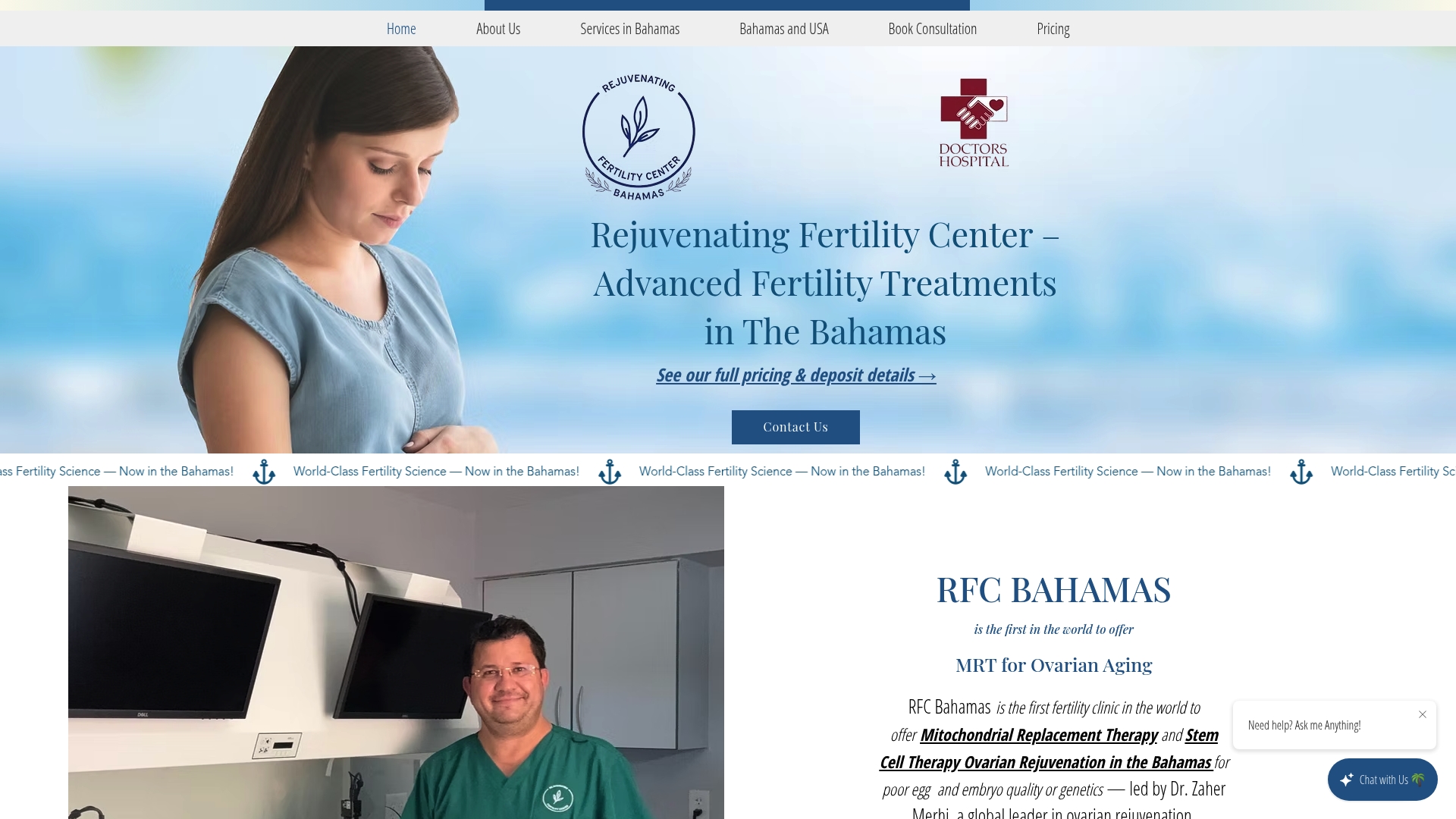
Take control of your fertility journey today with innovative solutions offered in the Bahamas. At the Rejuvenating Fertility Center, led by Dr. Zaher Merhi, you gain access to advanced reproductive medicine designed to improve egg and embryo quality through customized protocols, mitochondrial replacement, and stem cell therapies. Don’t wait for traditional treatments to fall short—visit https://rfcbahamas.com now to schedule your consultation and discover how you can increase your IVF success rate with personalized, science-backed care.
Frequently Asked Questions
What advanced fertility treatments should I consider for IVF success over 40?
Selecting a clinic that specializes in advanced fertility treatments designed for women over 40 can greatly enhance your chances of a successful IVF outcome. Focus on clinics that utilize cutting-edge reproductive technologies tailored for older patients, such as preimplantation genetic testing and customized treatment protocols.
How can I improve egg quality to increase my IVF success?
To enhance egg quality, adopt lifestyle changes such as maintaining a nutrient-dense diet, engaging in regular exercise, and managing stress levels. Aim to incorporate foods rich in antioxidants and prioritize consistent sleep patterns to support your reproductive health.
What is mitochondrial replacement therapy, and how does it help IVF success?
Mitochondrial replacement therapy is an innovative treatment that may improve egg quality by introducing healthy mitochondria into eggs, addressing age-related reproductive issues. Consider consulting a fertility specialist to see if this advanced therapy aligns with your specific fertility goals.
How can personalized medication protocols boost my success rates with IVF?
Personalized hormone protocols tailor medication regimens to fit your unique hormonal profile, optimizing your IVF treatment. Work closely with your reproductive endocrinologist to undergo a comprehensive hormonal assessment and adjust your medication doses as needed for the best results.
Why is genetic screening important for women over 40 pursuing IVF?
Genetic screening helps identify chromosomally normal embryos, increasing the likelihood of successful pregnancy while reducing the risk of miscarriage. Discuss genetic testing options with your fertility specialist to ensure the healthiest embryos are selected for transfer.
How can stress management influence IVF success rates?
Effective stress management is crucial, as high stress can negatively impact fertility treatments. Implement daily practices like mindfulness meditation or yoga to reduce stress levels and aim for a supportive environment that prioritizes your emotional well-being.
Recommended
Comments